Parents & Guardians
Considering how to provide financial support now and in adulthood.
A STORY ABOUT POSSIBILITY, FAMILY & PLANNING
Maya’s family wants what every family wants: a future filled with opportunity, dignity, and care. Their questions open the door to understanding a Special Needs Trust.
For parents, caregivers, educators, community leaders—and anyone who supports people with disabilities.

Not just a plan for care.
A plan for possibility.
WHO THIS IS FOR
Special needs planning touches more than one household. It connects families, schools, care teams, advocates, and communities.
Considering how to provide financial support now and in adulthood.
Helping build continuity, comfort, and opportunity over time.
Learning the language to guide families toward qualified resources.
Connecting people with accessible information and practical next steps.

MEET THE FAMILY
Maya is seven. She loves painting bright pictures, moving to her favorite songs, and making her family laugh. Her parents, Elena and Marcus, celebrate her interests and want her opportunities to keep growing.
They also have a serious question: how do they set aside money for extra experiences without unintentionally affecting the benefits that help with Maya’s daily support?
“How can we make sure Maya always has everything she needs, even when she grows up?”Turn the pages of Maya’s story
THE JOURNEY
Follow Maya’s family from quiet uncertainty to a conversation about planning for quality of life, long-term support, and the people who love her.

Elena and Marcus consider the care, joy, and opportunities Maya will need as she grows.
Read this chapter
A community advocate introduces a new planning conversation.
Read this chapter
The family takes its first steps toward asking informed questions.
Read this chapterAN IMPORTANT CONVERSATION
A legal planning arrangement that may help provide supplemental financial support to a person with a disability while taking applicable public-benefit rules into account.
Families often want to plan for education, recreation, equipment, and other supplemental needs—not only immediate bills.
Register for the Free EventSSI and Medicaid have resource and payment rules. The type of trust, its funding, and how money is spent can affect benefits.
Register for the Free EventFirst-party, third-party, and pooled trusts may follow different rules. A qualified attorney can explain which options apply.
Register for the Free EventLearn who may manage a trust, how supplemental expenses work, and what to review before moving assets or making gifts.
Register for the Free EventA story is a starting point, not a legal guarantee. Properly structured trusts may help protect eligibility, but trust distributions and program requirements matter. See the Social Security Administration’s trust guidance and New York State Medicaid trust information.
BRING THESE QUESTIONS
You do not need all the answers before attending. Start with the questions you want to understand.
Rules differ by program and type of asset. Ask a qualified professional how gifts may affect eligibility and whether a trust is appropriate.
Ask how trustees are chosen, what responsibilities they have, and how the beneficiary's needs and preferences can inform decisions.
Yes. Trust planning can be relevant to adults as well as children, though eligibility, funding, and program rules differ.
Ask about trust type, beneficiary rights, benefit-program coordination, eligible expenditures, trustee duties, costs, and any repayment obligations.
JOIN THE CONVERSATION
Join Courage Coach Jess Ministries and Mission Team for an educational discussion about protecting families and planning with confidence. The event covers four trust topics, with Special Needs Trust planning especially relevant to Maya’s story.
Free admission • Registration required • General educational information, not individualized advice
MEET THE PRESENTERS
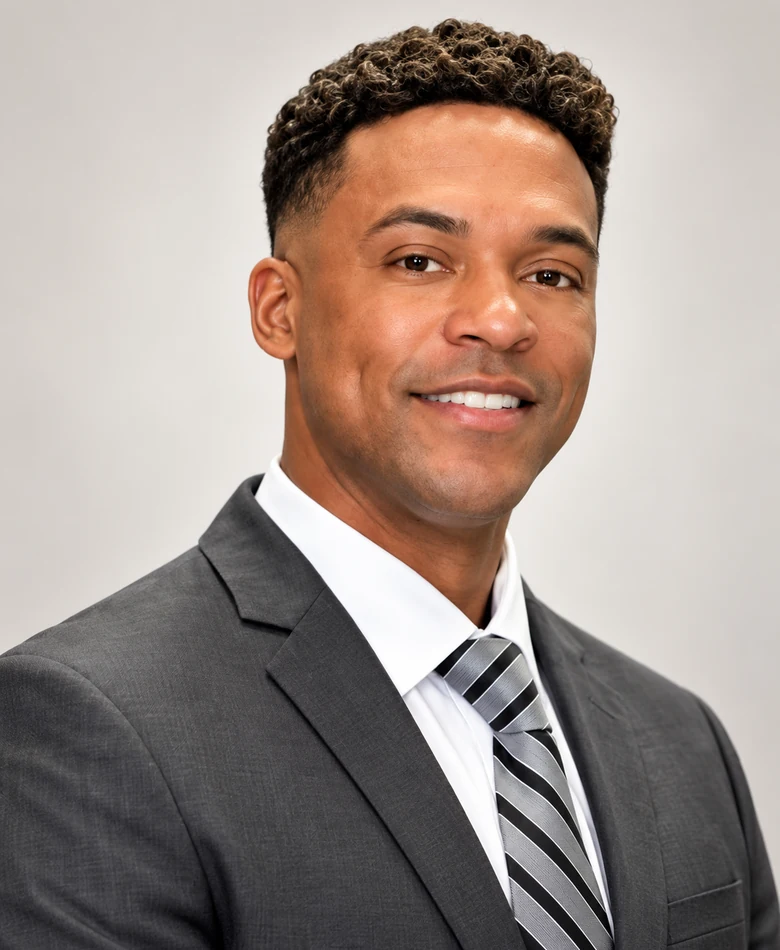
Certified Financial Crimes Investigator

Financial Advisor
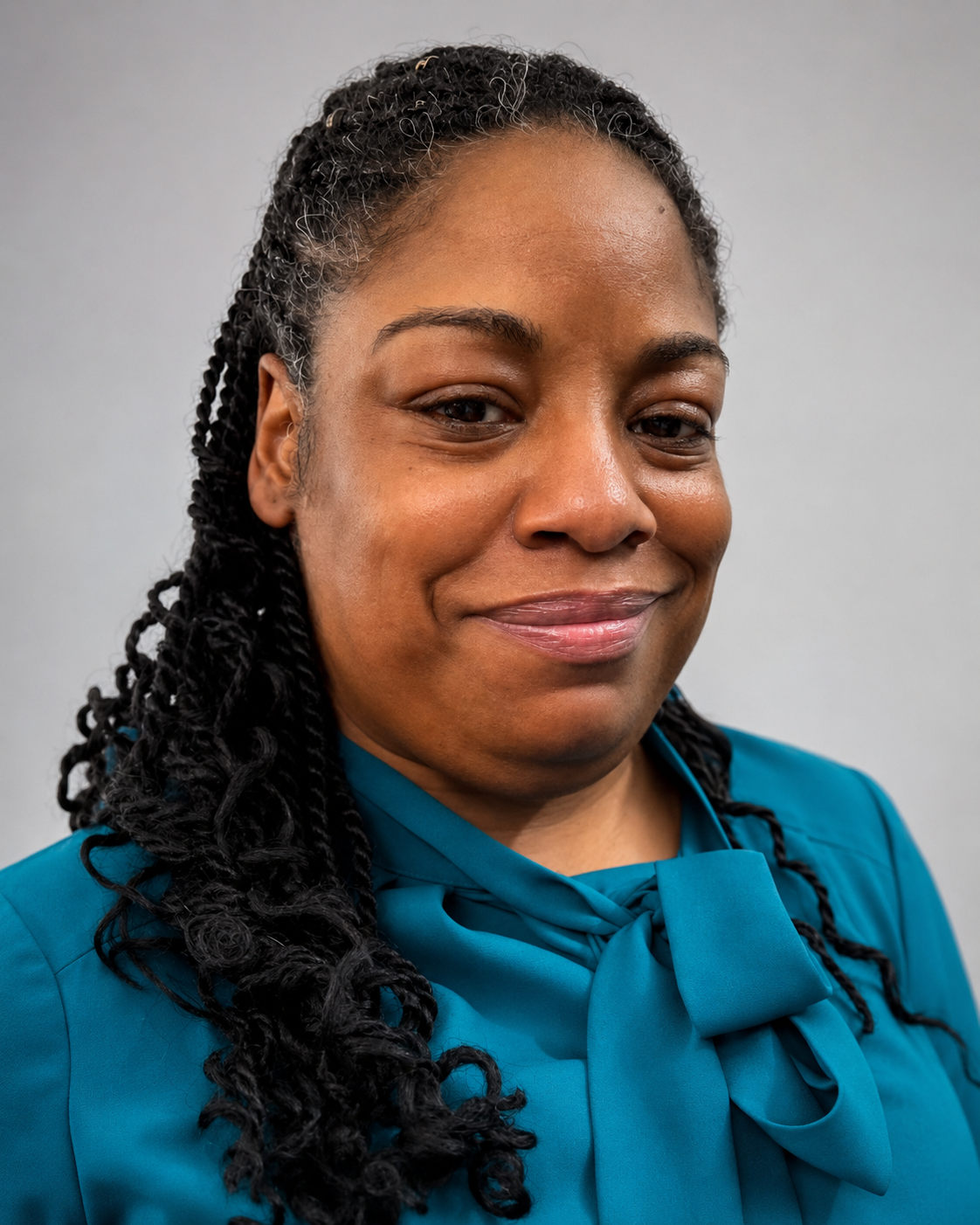
Ministry Leader & Special Needs Financial Advocate
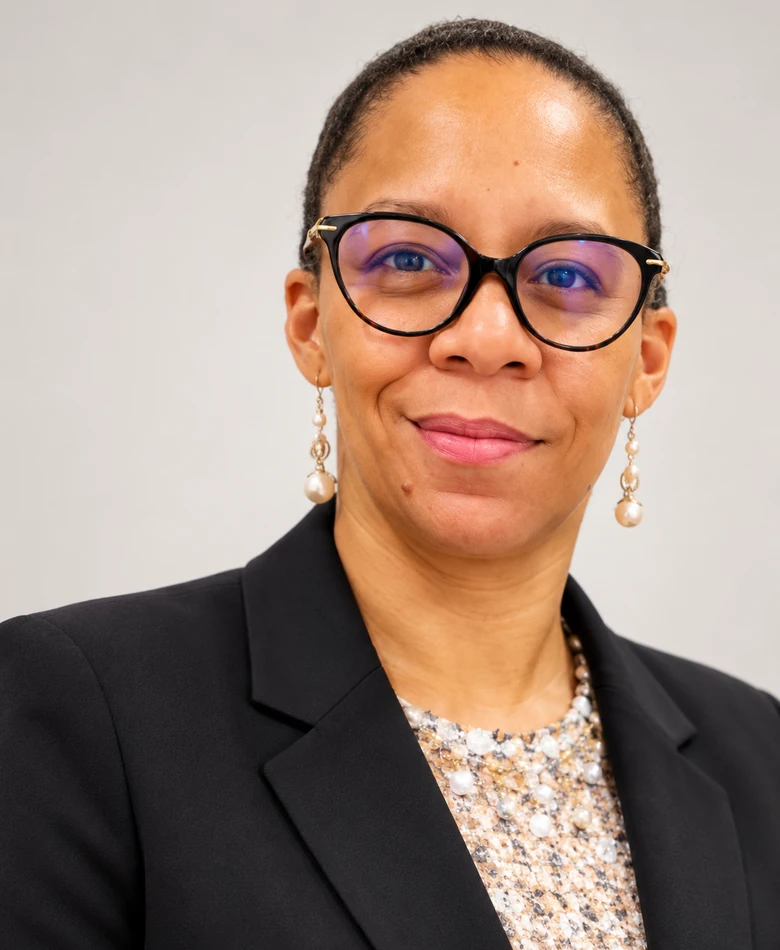
Financial Educator