 67
The Homeowner
Grace, 67
A retired educator who spent 30 years working to purchase and maintain her family home. She wants her children to inherit more than memories.
AN ESTATE PLANNING STORY FOR ADULTS AGES 51–80
You spent years building your life. Now it’s time to understand how to protect what matters most.
Meet Grace, Henry, Angela, and Mrs. Chen—four friends learning how estate planning connects to the lives they have built. Through eight short scenes, they discuss passing down a home, preparing for long-term care, maintaining independence, and supporting a loved one with a disability. Their conversations introduce four trust topics and show why understanding your options matters before making important decisions.
8 SCENES / 4 FRIENDS / 1 IMPORTANT CONVERSATION
Grace Henry
 Angela
 Mrs. Chen
Explore four estate-planning topics through the choices and questions facing Grace, Henry, Angela, and Mrs. Chen.
Grace explores how to plan for her home and the people who may inherit it.
Henry considers long-term care expenses and how to prepare for changing needs.
Angela looks into future financial support while preserving her independence.
Mrs. Chen and Lily consider how an inheritance might affect needs-based benefits.
THE PEOPLE BEHIND THE STORY
Four people. Different priorities. Each with a reason to understand estate planning.
67The Homeowner
A retired educator who spent 30 years working to purchase and maintain her family home. She wants her children to inherit more than memories.
74The Retiree
A grandfather who enjoys retirement but worries about future nursing home expenses and what might happen to his savings.
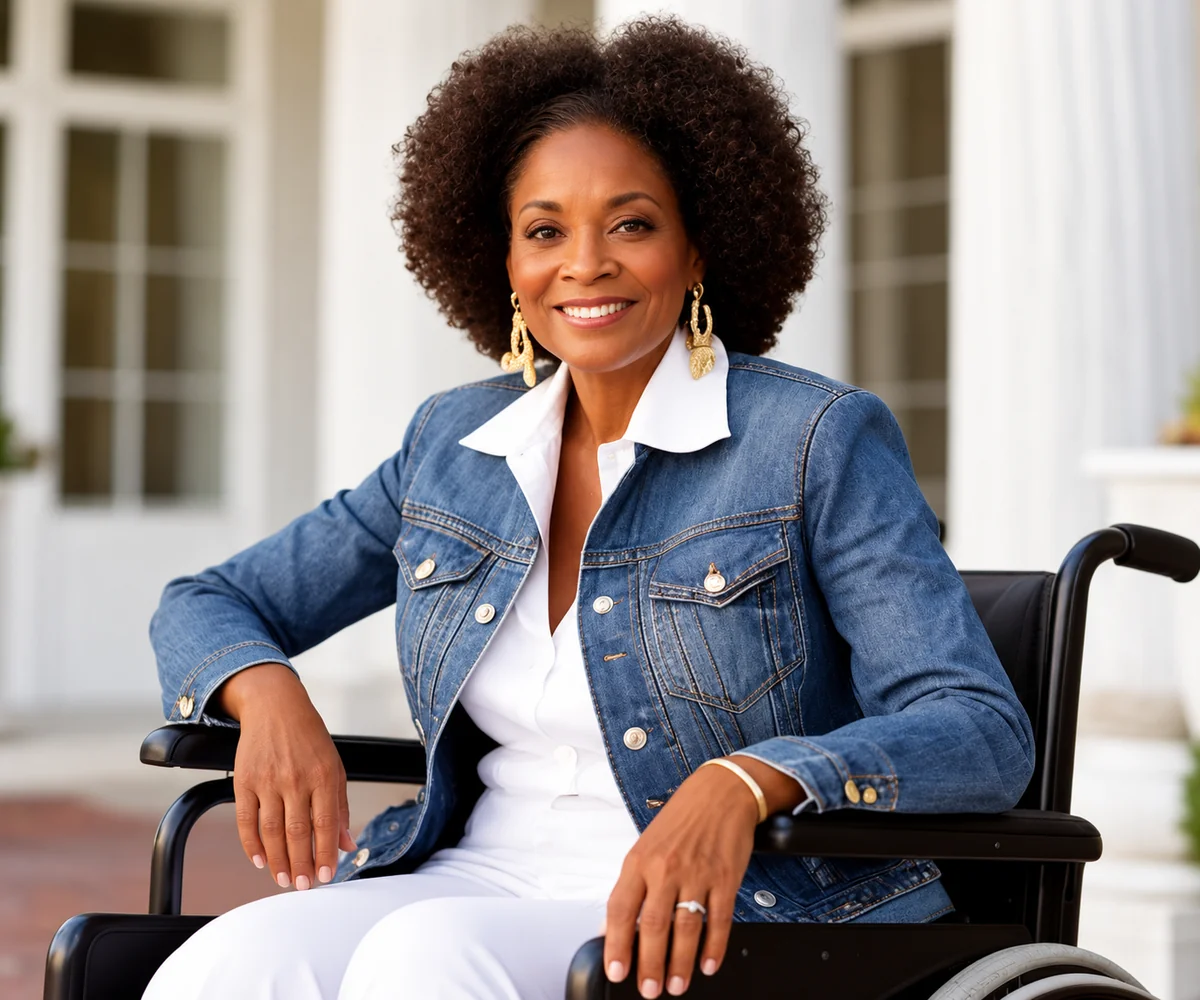
58The Independent Advocate
A woman who uses a wheelchair, volunteers in her community, and wants to protect her financial future without sacrificing her independence.
79The Family Protector
A mother who wants to leave financial support for her adult daughter Lily, 54, who has a disability and receives public benefits.
CONTINUE THE CONVERSATION
Join us Monday, November 9, 2026, from 6:00–8:00 PM Eastern for an educational estate-planning presentation.
THE EIGHT-SCENE STORY
A story about family, independence and legacy.
SCENE 01 / 08
Grace stood in her living room, looking at a collection of photographs.
There was the day she purchased her home. Her children's graduation pictures. Her late husband's favorite chair. The backyard where three generations had celebrated birthdays.
She smiled.
“This house is more than a building. It's our family history.”
Her daughter had recently asked her a question she couldn't answer.
“Mom, when the time comes, will we have to go to court to keep the house?”
Grace had always assumed her will would take care of everything.
But now she wondered whether there was something she was missing.
Later that afternoon, she noticed an estate-planning flyer at her community center.
Four topics caught her attention:
Living Trust. Medicaid Trust. Disability Trust. Special Needs Trust.
Grace whispered, “I've heard those words before. But what do they actually mean for someone like me?”
She took a picture of the flyer and called her friends.
GraceHenryAngelaMrs. ChenA story about family, independence and legacy.
SCENE 02 / 08
The following morning, Grace met Henry, Angela, and Mrs. Chen for coffee.
“I have a question,” Grace announced. “How many of us actually know what will happen to everything we've worked for?”
Henry chuckled.
“Grace, I'm retired. I came here for coffee, not homework!”
Everyone laughed.
But Mrs. Chen became thoughtful.
“I've been wondering about that myself. I'm almost 80, and I still haven't figured out how to provide for Lily when I'm no longer here.”
Angela nodded.
“People think estate planning is just about dying. But I'm 58. I'm still living, working, and making plans. I want to understand how to protect my future right now.”
Grace placed the flyer on the table.
“Then perhaps we're asking the wrong question. Instead of asking whether we're too old to start planning, maybe we should ask what we still have time to protect.”
They decided to explore all four topics together.
A story about family, independence and legacy.
SCENE 03 / 08
Grace opened a folder containing the deed to her house.
“I purchased this home with money I earned over decades. I don't want my children fighting over it or spending unnecessary time in court.”
Angela pointed to the first topic.
“That's why you should learn about a Living Trust.”
They read that a living trust is a legal arrangement allowing assets to be managed according to instructions established by the person creating it.
A properly funded living trust can help certain assets pass to beneficiaries without probate.
Grace raised an eyebrow.
“So it's not enough just to sign the document?”
“Apparently not,” Angela replied. “The assets have to be properly transferred into the trust when required.”
Grace wrote in her notebook:
Can I place my home into a Living Trust, and what would my children need to do after I pass away?
She added another question.
What can I do to protect my property against title fraud?
The friends realized that probate planning and protection against fraudulent property transfers were related concerns, but not the same legal issue.
For the first time, Grace felt she was asking questions that could make a difference.
A story about family, independence and legacy.
SCENE 04 / 08
Henry stared at the flyer.
“Now this one is personal.”
He explained that his brother had spent several years in a nursing home. Watching his family navigate the financial decisions had been difficult.
“I don't know whether I'll ever need that level of care. But if I do, I don't want my family scrambling to figure everything out.”
Mrs. Chen nodded.
“None of us knows what the future holds.”
They began reading about Medicaid planning.
They learned that certain irrevocable trusts may be considered in long-term care planning, but strict rules govern asset transfers, eligibility, timing, and access to trust assets.
Henry shook his head.
“So I can't just move my money into a trust tomorrow and assume Medicaid will pay for everything?”
“That's exactly why we need professional guidance,” Grace replied.
Henry wrote down his question:
What are the advantages, disadvantages, timing requirements, and restrictions of a Medicaid Trust for someone my age?
He looked around the table.
“I'm not trying to avoid paying for my care. I'm trying to understand my choices before a crisis forces me to make them.”
A story about family, independence and legacy.
SCENE 05 / 08
Angela adjusted her wheelchair and leaned forward.
“Now it's my turn.”
She explained how often people made assumptions about her because she used a wheelchair.
“Some people see my disability before they see my abilities. I run my own household, make my own decisions, and volunteer every week. I want that independence respected.”
She had been thinking about how to manage her financial resources and make plans for future support.
“What happens if I need more assistance someday? What if my circumstances change? How can I plan without losing control of my life?”
The group explored the term Disability Trust.
They discovered that it was important to ask exactly what kind of trust a professional meant, because the term can refer to different arrangements for people with disabilities.
Some arrangements may be designed to manage assets, provide ongoing support, or address eligibility for certain benefits.
Angela wrote her question:
What trust arrangements could support my future needs while respecting my independence and financial decisions?
She smiled.
“My disability is part of my life. It doesn't get to make all my decisions for me.”
A story about family, independence and legacy.
SCENE 06 / 08
Mrs. Chen reached into her handbag and pulled out a photograph.
It showed her daughter Lily, 54, smiling at a community art exhibition.
“This is my daughter. She's an artist. She loves her independence, her friends, and her community.”
Lily had a disability and received certain needs-based government benefits.
Mrs. Chen wanted to leave her daughter an inheritance.
“But I'm worried,” she admitted. “Could the money I leave her affect her benefits?”
Angela nodded.
“That's an important question, and Lily should be part of that conversation.”
They read about Special Needs Trusts, also called Supplemental Needs Trusts.
Depending on the type of trust, its funding, legal requirements, and how money is distributed, an appropriately structured trust may help provide additional financial support while preserving eligibility for certain needs-based benefits.
Mrs. Chen called Lily and explained what they were discussing.
Lily immediately responded.
“Mom, I appreciate you wanting to help me. But I want to understand the plan, too. It's my future.”
Mrs. Chen smiled.
“Then we'll learn together.”
Their question became:
How can I leave financial support for Lily while respecting her choices and addressing the rules that apply to her benefits?
GraceHenryAngelaMrs. ChenA story about family, independence and legacy.
SCENE 07 / 08
A week later, the friends gathered again.
Grace had her property documents.
Henry had a notebook filled with retirement and long-term care questions.
Angela had researched how trust arrangements might affect independence and public benefits.
Mrs. Chen arrived with Lily, who carried her own list of questions.
Henry looked at the table and laughed.
“We started with coffee, and now we look like we're preparing for an examination!”
Grace smiled.
“But look what we learned. Each of us has a different situation.”
Angela added, “And we learned that a Disability Trust and a Special Needs Trust aren't necessarily two completely separate legal categories. We need to ask which legal arrangement actually fits the person's needs.”
Lily nodded.
“Exactly. We don't need someone selling us the same answer. We need someone helping us understand the right questions.”
Grace picked up the estate-planning flyer.
“Then I think we should attend the presentation.”
Everyone agreed.
GraceHenryAngelaMrs. ChenA story about family, independence and legacy.
SCENE 08 / 08
On the day of the presentation, the friends joined together.
They listened carefully, asked questions, and began identifying which matters needed individualized legal advice.
Grace realized that owning a house wasn't the same as having a complete plan for it.
Henry understood why long-term care planning should be explored before care is urgently needed.
Angela discovered new questions about protecting her future while maintaining her independence.
Mrs. Chen and Lily began discussing what meaningful financial support could look like for Lily's future.
Nobody walked away believing that one trust could solve every problem.
But they walked away better informed.
As they gathered their belongings, Grace looked at her friends.
“You know what I've realized?”
Henry grinned. “That you owe us another cup of coffee?”
They laughed.
Grace shook her head.
“No. We spent decades building our lives. We raised families, worked hard, overcame challenges, and made memories. But our story isn't over.”
She paused.
“We still have choices to make. People to protect. And a legacy to think about.”
Angela smiled.
“Then this isn't the end of our story.”
Grace nodded.
“It's the beginning of our next chapter.”
THE INVITATION: YOUR NEXT CHAPTER MATTERS
You've spent years working, raising a family, building a business, caring for loved ones, or creating a home.
Now is an opportunity to learn how estate planning may help you prepare for the future.
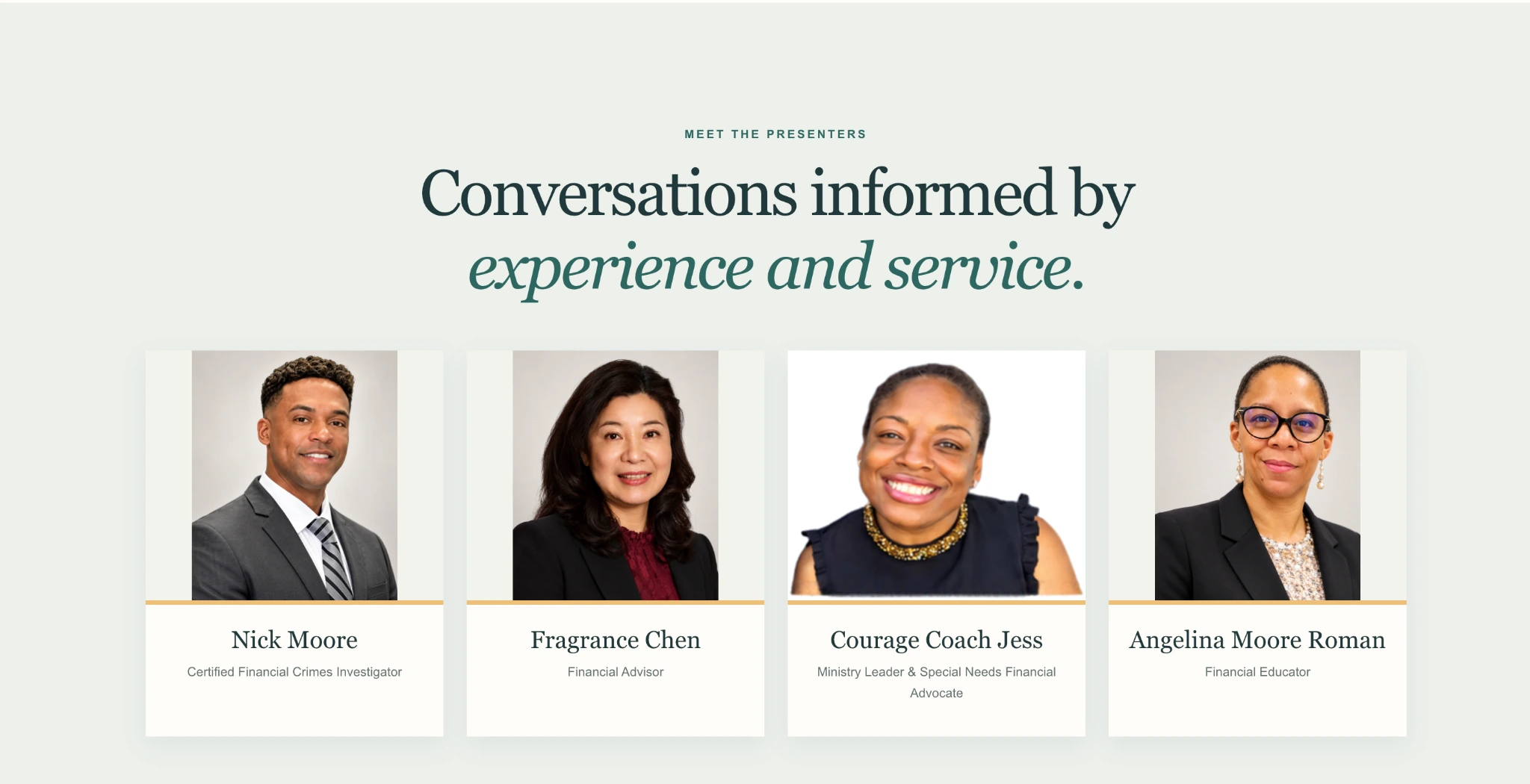
Join Courage Coach Jess Ministries and Mission Team for an educational conversation covering Living Trusts, Medicaid Trusts, Disability Trusts, and Special Needs Trusts.
This story introduces legal concepts, not personal legal advice. A living trust does not automatically protect against title fraud or Medicaid eligibility rules. Trusts involving disability benefits require individualized review, and the rules may vary by state, trust type, and circumstances. These distinctions are supported by LawHelpNY, New York State Department of Health and Social Security Administration.