01ASSETS & INTENTIONS
Living Trust
Explore how a properly designed and funded living trust may help manage assets, support continuity, and potentially reduce probate for assets held in trust.
YOUR HOME · INVESTMENTS · LEGACY↗
For ambitious working professionals ages 35–50, the next step isn’t just earning more. It’s making a plan for what—and who—matters most.


MEET ANTHONY & ELENA
Anthony and Elena are both successful attorneys in their late thirties in New York City. Their careers are growing, their finances are becoming more complex, and they are expecting their first child.
Their story starts with a question that resonates well beyond the legal profession: How do you create a plan that can grow with your career, your responsibilities, and your loved ones?
Knowledge alone isn’t protection without action.
INSPIRED BY ANTHONY’S NEXT CHAPTERTHE JOURNEY
Anthony’s story brings estate planning out of the abstract and into the moments working professionals recognize.

Career earnings, investments, a home, and digital accounts.

Helping aging parents plan ahead for potential care needs.

Planning for a child, beneficiaries, and changing family needs.
FOUR CONCEPTS. ONE CONVERSATION.
You don’t have to be an estate-planning expert to start asking better questions. These are the four core subjects covered at the event.
Explore how a properly designed and funded living trust may help manage assets, support continuity, and potentially reduce probate for assets held in trust.
Learn why long-term-care planning for aging parents can involve Medicaid eligibility rules, timing requirements, and specialized asset-protection strategies.
Consider how trust arrangements may help manage and safeguard funds for a person living with a disability, depending on their goals and benefits.
Understand how certain trusts can provide supplemental support to a beneficiary with a disability while taking needs-based public-benefit rules into account.
Trust outcomes depend on the law, trust terms, ownership of assets, and individual circumstances. This page provides general education, not individualized legal, financial, benefits, or tax advice. Disability and special needs trusts are not necessarily interchangeable; trusts are also not a substitute for income-replacement insurance.
YOU’RE INVITED
A free hybrid estate-planning presentation for people who want to make informed decisions about their money, their family, and the future they’re building.
On the registration form, select Working Professional (35–50) if that audience option is offered. Zoom provides your access details after registration.
THE PEOPLE BEHIND THE CONVERSATION
Professionals and advocates bringing multiple perspectives to a conversation about estate planning and financial protection.
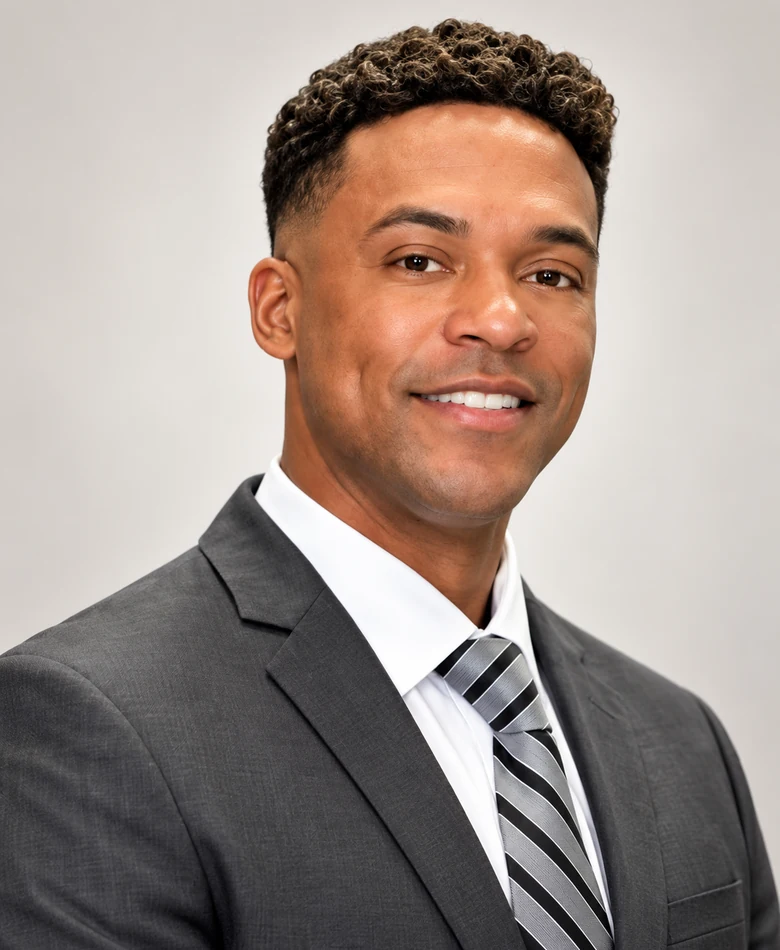
Certified Financial Crimes Investigator
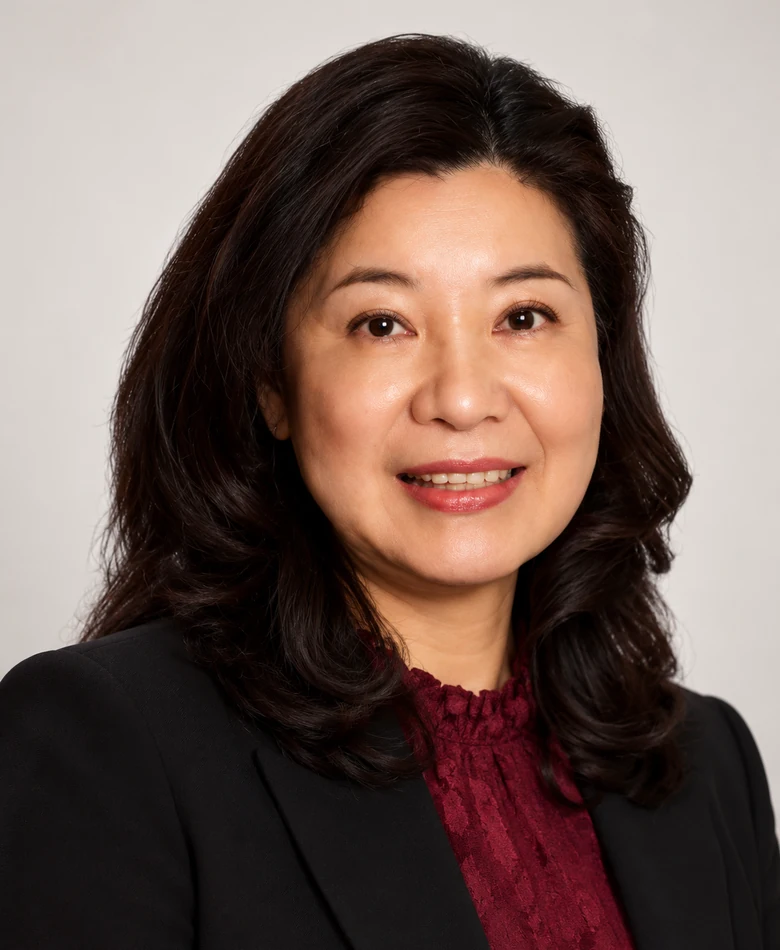
Financial Advisor
Ministry Leader & Special Needs Financial Advocate
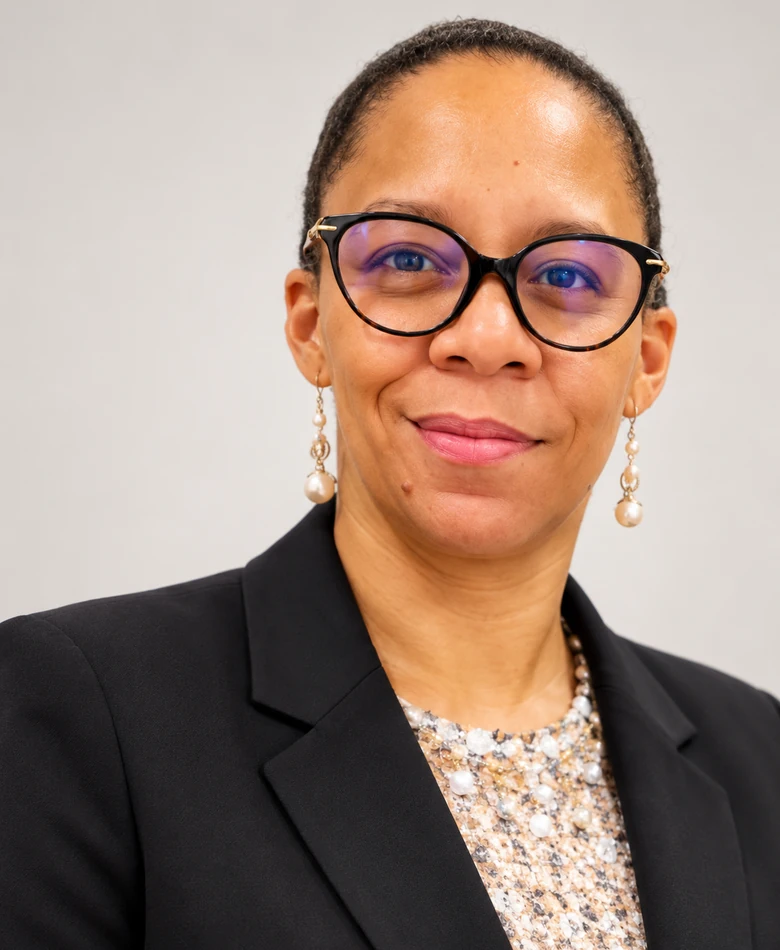
Financial Educator

Join us on November 9 and take the first step toward a more informed financial future.
Register free today